Charleston SC Wedding Planning: Your Guide to Getting It Right
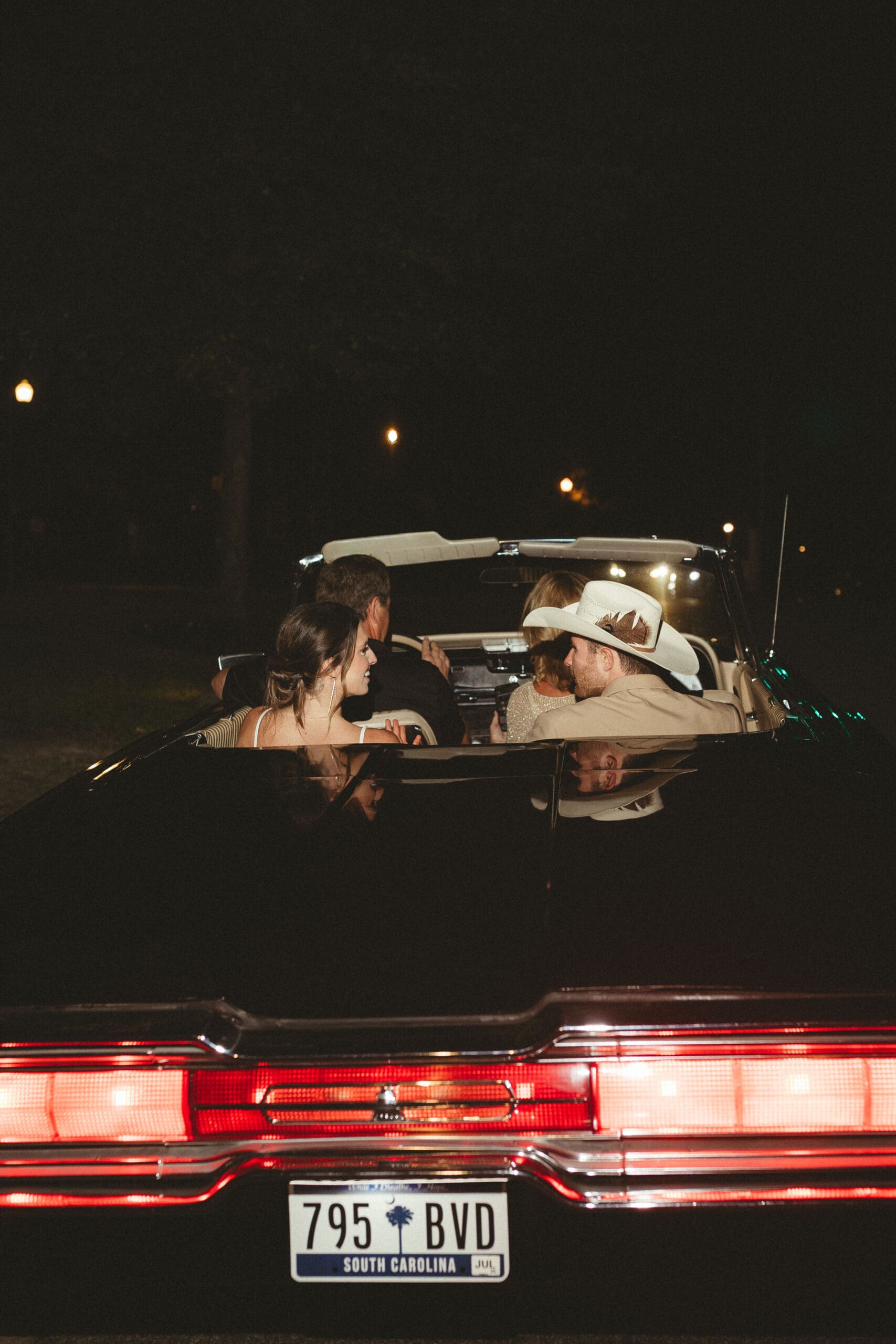
Charleston has a way of making a wedding feel memorable before the celebration even begins. Historic streets, coastal landscapes, and beautiful gathering spaces give couples plenty of inspiration. But Charleston, SC wedding planning involves more than choosing a beautiful setting. Your date, guest experience, transportation, and wedding-day timeline all shape how the celebration unfolds.
As a wedding photographer, I believe thoughtful planning creates space for moments you could never schedule. The quiet anticipation, unexpected laughter, and time spent with your favorite people deserve room to happen naturally. In this guide, I’ll walk you through the decisions worth making early. My goal is to help you plan a wedding that feels intentional without making every moment feel planned.
Key Takeaways
- Start with your wedding priorities, guest count, and budget before making major bookings.
- Consider Charleston’s seasonal weather, daylight, and outdoor conditions when choosing your date.
- Understand South Carolina’s marriage license requirements before your ceremony.
- Plan transportation and photography timing around your guests and wedding-day priorities.
- Use a practical checklist to stay organized while leaving room for meaningful moments.
Table of Contents
- Where to Start With Charleston, SC Wedding Planning
- Choosing the Best Time of Year for a Charleston Wedding
- Charleston Marriage License Requirements
- Charleston Wedding Logistics to Plan Ahead
- Creating a Wedding Day Timeline That Feels Natural
- Your Charleston Wedding Planning Checklist
- Making Your Charleston Wedding Feel Like You
Where to Start With Charleston, SC Wedding Planning
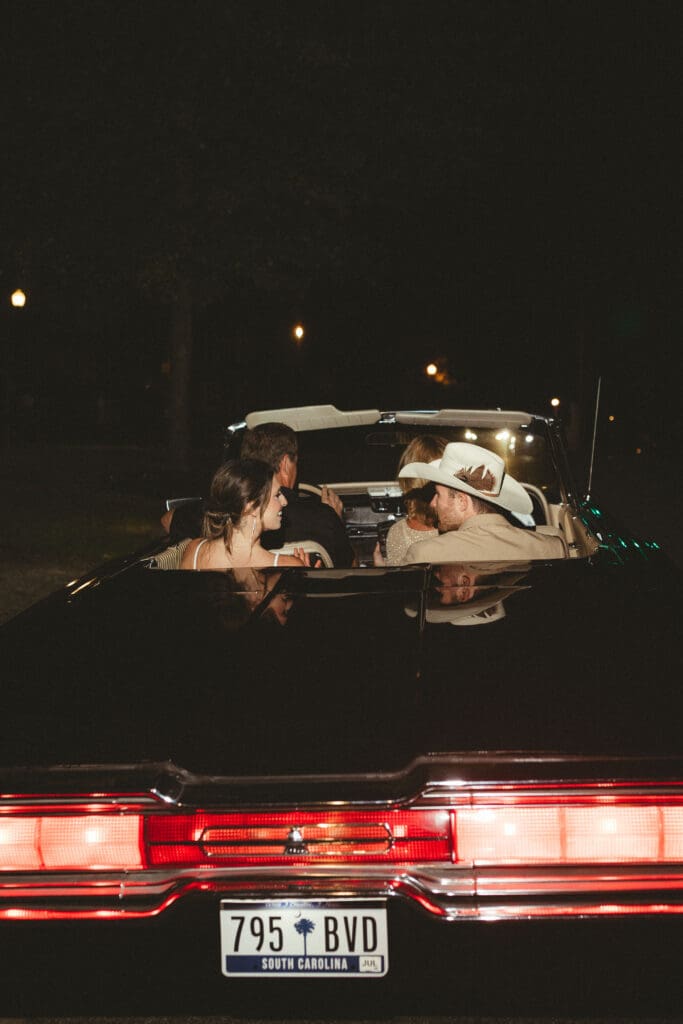
Before researching every detail, I would start with one question: What do you want your wedding day to feel like? Maybe you imagine a quiet morning with family, followed by a ceremony surrounded by your closest friends. Or perhaps you want a lively celebration with everyone you love. Those priorities can guide your decisions more effectively than following someone else’s checklist.
Set Your Priorities Before Booking Vendors
I recommend choosing three things that matter most to you as a couple. That might include having time together, creating a comfortable guest experience, or choosing a setting that reflects your relationship. Once you’ve identified those priorities, establish your approximate guest count and budget. These decisions help you narrow your options before making major commitments.
Your venue is one of those early decisions, and Charleston offers a wide variety of settings to consider. I’ve shared a curated guide to Charleston wedding venues if you’re beginning that search. If you’re comparing spaces, my guide to choosing the right Charleston wedding venue explores the questions worth asking.
Build a Planning Timeline Around Your Wedding Date
Once you’ve chosen your date, work backward to organize your decisions. Some tasks depend on others, so understanding their order can make planning feel more manageable. Your ceremony schedule, for example, can influence transportation, vendor arrival times, and photography plans. I would keep your timeline flexible enough to accommodate the details that matter most.
| Planning stage | What to focus on |
|---|---|
| Early planning | Priorities, guest count, budget, and wedding date |
| Major bookings | Venue and essential vendors |
| Several months before | Guest logistics, ceremony details, and transportation |
| Final planning | Vendor coordination, photography timeline, and family portrait list |
| Wedding week | Confirmations, weather plans, and time with loved ones |
These are general planning stages, not fixed booking deadlines. Your timeline will depend on your wedding date and the vendors you choose. I believe a good plan should support your experience, not control every minute.
Choosing the Best Time of Year for a Charleston Wedding
Charleston has a different atmosphere in every season, and your wedding date can shape the entire experience. As a photographer, I would think beyond the weather forecast when choosing a date. Natural light, guest comfort, and ceremony timing all influence how the day feels and photographs. Understanding these seasonal differences can help you choose a setting that supports your vision.
Spring Weddings in Charleston
Spring brings flowering gardens, fresh greenery, and warmer days that can create a beautiful setting for outdoor celebrations. March through May can offer comfortable conditions, although temperatures and rainfall vary. I love the softness that natural light can bring to spring portraits, especially when the surroundings feel fresh and full of life. Still, I recommend having a rain plan for any outdoor celebration.
Summer Weddings in Charleston
Summer brings long days, vibrant greenery, and later sunsets. That extra daylight can provide more flexibility when planning your ceremony and portraits. However, Charleston summers can be hot and humid, particularly during the afternoon. I would consider shaded portrait locations, indoor breaks, and plenty of water for everyone involved.
A later outdoor ceremony may also help with guest comfort, depending on your venue and schedule. Summer overlaps with Atlantic hurricane season, so weather contingencies deserve attention. Having an indoor alternative can help you feel more prepared if conditions change.
Fall Weddings in Charleston
Fall can offer a lovely balance of milder temperatures and a relaxed coastal atmosphere. September may still feel like summer, while October and November often bring cooler conditions. Hurricane season continues through November, making backup plans important for outdoor celebrations.
I would also pay attention to sunset when choosing your ceremony time. As daylight shortens, you may have less time for outdoor portraits after the ceremony. Planning around the available light can help the afternoon unfold more naturally.
Winter Weddings in Charleston
Winter offers another side of Charleston, with cooler weather and earlier evenings. December through February can suit couples who love an intimate atmosphere and don’t mind planning around shorter days. I would pay close attention to ceremony timing during these months. An earlier ceremony may leave more natural light for family photographs and couple portraits.
Charleston Wedding Seasons at a Glance
| Season | What to consider | Photography planning tip |
|---|---|---|
| Spring | Blooming landscapes, changing temperatures, possible rain | Allow flexibility for outdoor portraits |
| Summer | Heat, humidity, long daylight hours | Plan shaded locations and cooler portrait times |
| Fall | Cooler weather later in the season, earlier sunsets | Coordinate ceremony timing with available daylight |
| Winter | Cooler temperatures, shorter days | Schedule important outdoor portraits earlier |
I don’t think there’s one perfect month to get married in Charleston. The best season is the one that supports the experience you want together.
Charleston Marriage License Requirements
Before your wedding day arrives, you’ll need to take care of one important detail: your marriage license. South Carolina has a specific application process, including a mandatory waiting period. I recommend handling this early so you can focus on celebrating when your wedding weekend begins.
How to Apply for a Marriage License in Charleston
Couples can apply through the Charleston County Probate Court for marriages performed in South Carolina. The county offers an online application process, and both applicants must participate. You’ll also need to provide the required identification and supporting documents.
| Step | What to do |
|---|---|
| 1. Review requirements | Read the county’s current application instructions |
| 2. Prepare documents | Gather identification and required supporting information |
| 3. Apply online | Complete the application and pay the required fee |
| 4. Allow processing time | Account for the waiting period and county processing |
| 5. Receive your license | Follow the county’s instructions for printing and using it |
| 6. Complete the paperwork | Return the required signed copies after your ceremony |
You can review the current requirements through the Charleston County Probate Court. I recommend checking the official instructions before applying, since procedures and fees can change.
Understanding the 24-Hour Waiting Period
South Carolina requires a 24-hour waiting period before the marriage license can be released. Charleston County also advises couples to allow two business days after completing the application requirements. I wouldn’t leave this task until the day before your wedding. Applying ahead of time gives you room to address missing information or unexpected delays.
What Out-of-State Couples Should Know
You don’t have to live in South Carolina to obtain a marriage license there. Charleston County accepts applications from nonresidents, which is helpful for couples planning a destination wedding. However, a South Carolina marriage license must be used for a ceremony performed in South Carolina. If you’re traveling from another state, confirm your paperwork before finalizing your travel plans.
Who Can Legally Perform Your Ceremony?
South Carolina authorizes specific individuals to officiate marriages, including qualifying religious officiants and South Carolina notaries. Before booking your officiant, confirm that they meet the state’s requirements. After your ceremony, follow the county’s instructions for returning the completed license. I would add that final paperwork step to your wedding checklist so it doesn’t get overlooked.
Charleston Wedding Logistics to Plan Ahead
Charleston’s historic streets and coastal surroundings make it a memorable place to celebrate. However, the city’s layout can influence how your wedding day unfolds. I recommend thinking about transportation, accommodations, and outdoor arrangements before finalizing your schedule. A little preparation can make the experience more comfortable for you and your guests.
Plan Guest Accommodations and Transportation
If you’re hosting a destination wedding, consider where most of your guests will stay. Downtown Charleston offers hotels within walking distance of restaurants and historic attractions. Other accommodations may require transportation between different parts of the Lowcountry. I would start by mapping the distance between your ceremony, reception, and recommended hotels.
If guests need transportation, ask providers about realistic travel times. Account for loading, parking, and possible delays rather than relying only on the distance between locations. I would also share clear transportation instructions on your wedding website so guests know exactly where to arrive.
| Transportation detail | What to consider |
|---|---|
| Guest accommodations | Distance from the ceremony and reception |
| Parking | Availability, fees, and accessibility |
| Shuttle service | Pickup locations, guest capacity, and departure times |
| Travel between venues | Traffic, bridge crossings, and loading time |
| End-of-night transportation | How guests will return to their accommodations |
Allow Extra Time for Downtown Charleston Travel
Charleston’s historic downtown has narrow streets, busy intersections, and areas with limited parking. Even a short drive can take longer than expected when several events are happening nearby. I recommend adding travel buffers between getting ready, the ceremony, and the reception. Your planner or transportation provider can help determine appropriate timing.
From a photography perspective, I also consider how travel affects the moments between scheduled events. If you’re moving between several locations, that time comes out of your wedding day. Keeping transitions simple can leave more room for portraits, conversations, and quiet moments together.
Prepare for Outdoor Wedding Conditions
Outdoor weddings can be beautiful in Charleston, but weather deserves a realistic backup plan. Rain, humidity, wind, and changing temperatures can affect everything from guest comfort to ceremony arrangements. I would ask your venue these questions before finalizing an outdoor celebration:
- Is there an indoor or covered backup location?
- When must we decide whether to move the ceremony indoors?
- How will guests reach the backup space?
- Are there restrictions on outdoor music or event timing?
- Who coordinates changes if the weather shifts?
Rules can vary by venue and location. Confirm permit, sound, and event restrictions with the venue and relevant local authority. I would also consider shaded areas, water stations, and comfortable seating during warmer months.
Make Room for Your Wedding Weekend Events
Your celebration might include more than the ceremony and reception. If you’re hosting a rehearsal dinner or welcome gathering, consider how those events fit into your guests’ travel plans. You don’t need to fill every hour with activities. I think guests appreciate time to explore Charleston at their own pace.
I’ve also written about where to host a rehearsal dinner in Charleston, SC, including intimate dining rooms and larger gathering spaces. That guide can help you explore options without turning this planning article into another venue roundup.
Thoughtful logistics should make your wedding feel easier, not more complicated. When everyone knows where to be, you can focus on the people who matter most.
Creating a Wedding Day Timeline That Feels Natural
Your wedding day should have enough structure to keep everything moving without making every moment feel scheduled. As a photographer, I believe the best timelines leave room for genuine interactions. Quiet anticipation, spontaneous laughter, and time together deserve attention alongside formal portraits. I recommend building your schedule around your priorities, then allowing space for everything between them.
Getting Ready and First Look Decisions
Your wedding morning sets the tone for the rest of the celebration. I love when couples leave enough time to get ready without feeling rushed. Those quieter hours can hold some of the day’s most personal moments. Consider when hair and makeup will finish, when everyone will get dressed, and when portraits can begin.
One decision that can influence your schedule is whether to have a first look. A first look gives you an opportunity to see each other privately before the ceremony. It can also allow you to complete some portraits earlier. A traditional timeline keeps that first moment for the ceremony itself, with more couple and group portraits afterward.
Neither approach is automatically better, and I would choose the one that feels most meaningful to you. Your ceremony time, guest experience, and photography priorities can all help guide that decision.
| Timeline detail | With a first look | Without a first look |
|---|---|---|
| Couple portraits | Some can happen before the ceremony | Usually happen afterward |
| Wedding party portraits | May happen earlier | Often happen afterward |
| Family portraits | Some may happen before the ceremony | Often happen afterward |
| Cocktail hour | Potentially more time with guests | May include scheduled portraits |
| Overall experience | Private moment before the ceremony | First reveal during the ceremony |
Plan Family Portraits Without Feeling Rushed
Family photographs are important, but they don’t need to take over your wedding day. I recommend preparing a family portrait list before the wedding so everyone understands which combinations matter most. Keep the list focused on the groupings you genuinely want photographed. I would also ask someone familiar with your families to help gather people when it’s time for portraits.
That small step can make the process smoother, especially when guests are spread across different areas. It also helps you return to your celebration without spending unnecessary time organizing groups.
Make Time for Charleston’s Golden Hour
Golden hour is the period of warm, softer light shortly before sunset. I love how this light can create a nostalgic, cinematic feeling in wedding photographs. It can also offer a quiet moment together before returning to your celebration. However, sunset changes significantly throughout the year in Charleston.
I recommend checking the sunset time for your exact date and discussing portrait timing with your photographer. You don’t need an entire hour of portraits. Even a short window can create space for meaningful photographs without taking you away from your guests for too long.
Build in Breathing Room Between Events
One of the easiest ways to make your wedding day feel rushed is to schedule everything too closely. Hair and makeup might run late, family portraits may take longer, and travel can affect your timeline. I would rather build in flexibility than create a schedule where every delay affects the next event.
Here’s an illustrative timeline for a wedding with a first look and an afternoon ceremony:
| Time | Wedding day activity |
|---|---|
| 12:00 PM | Final getting-ready details |
| 1:00 PM | Getting dressed and individual portraits |
| 1:30 PM | First look and couple portraits |
| 2:15 PM | Wedding party and selected family portraits |
| 3:30 PM | Guests begin arriving |
| 4:00 PM | Ceremony |
| 4:30 PM | Remaining family portraits and cocktail hour |
| 5:30 PM | Reception begins |
| Before sunset | Optional evening couple portraits |
This is an example, not a schedule I would recommend for every wedding. Your ceremony time, venue locations, photography coverage, and sunset will determine what works best. For me, a thoughtful photography timeline isn’t about filling every available minute. It’s about creating space to experience your wedding while preserving the moments you’ll want to remember.

Your Charleston Wedding Planning Checklist
Wedding planning involves plenty of moving pieces, but you don’t need to figure everything out at once. I recommend breaking the process into smaller milestones so you can focus on what matters at each stage. Whether you’re planning locally or organizing a destination wedding, this checklist can help you stay organized without making every decision feel urgent.
12 Months or More Before Your Wedding
Start with the decisions that shape everything else. Your budget, guest count, date, and venue will influence many of the choices that follow.
- Establish your wedding budget and approximate guest count.
- Choose your preferred wedding date or season.
- Research ceremony and reception locations.
- Book your venue and essential vendors.
- Consider whether you’ll need a wedding planner or coordinator.
- Explore accommodation options for traveling guests.
I would also start thinking about photography early. Your photographer’s approach should align with how you want to experience your wedding, not just how you want it to look.
6–9 Months Before Your Wedding
Once your major bookings are settled, focus on the guest experience and wedding-day details. This is a useful stage for coordinating plans that involve multiple vendors or locations.
- Finalize your wedding party and guest list.
- Share travel and accommodation information.
- Discuss ceremony timing with your venue and vendors.
- Begin planning transportation between locations.
- Consider your rehearsal dinner or welcome gathering.
- Review your photography priorities.
I recommend keeping your vendor details in one organized document. Having contact information and deadlines together makes coordination easier as your wedding approaches.
3–5 Months Before Your Wedding
This is a good time to turn your broader plans into a more detailed schedule. I would also revisit your original priorities and consider whether each planned detail still feels meaningful.
- Review your ceremony and reception plans.
- Confirm transportation arrangements.
- Discuss your wedding photography timeline.
- Decide whether you want a first look.
- Start preparing your family portrait list.
- Review weather backup plans for outdoor events.
- Check current marriage license application requirements.
If something no longer feels important, you don’t have to keep it simply because you originally planned it.
1–2 Months Before Your Wedding
As your wedding approaches, focus on confirmations rather than adding unnecessary details. Your goal is to make sure everyone involved understands the plan.
- Review your final guest count and seating arrangements.
- Confirm vendor arrival times and responsibilities.
- Finalize your ceremony and reception timeline.
- Share transportation instructions with guests.
- Confirm your photography schedule and family portrait list.
- Complete your marriage license application within the appropriate timeframe.
- Review contingency plans with your venue or coordinator.
I recommend keeping your final timeline easy to understand. Everyone involved should know where they need to be and when.
Your Wedding Week
By this point, most major decisions should already be settled. Your wedding week should focus on final confirmations and enjoying the anticipation of what’s ahead.
- Confirm final arrangements with your vendors.
- Check the weather and review backup plans if needed.
- Prepare your wedding details and personal items.
- Share important contact information with your coordinator or designated helper.
- Confirm your marriage license and ceremony paperwork are ready.
- Set aside time to enjoy your family, friends, and partner.
I would avoid filling your wedding week with last-minute projects. You’ve spent months preparing for this celebration, and you deserve time to enjoy it.
Charleston Wedding Planning Checklist at a Glance
| Planning stage | Main priorities |
|---|---|
| 12+ months before | Budget, guest count, date, venue, essential vendors |
| 6–9 months before | Guest travel, transportation, rehearsal dinner, photography priorities |
| 3–5 months before | Wedding timeline, first look, family portraits, weather plans |
| 1–2 months before | Final confirmations, marriage license, vendor coordination |
| Wedding week | Paperwork, final details, weather checks, time with loved ones |
These timeframes are flexible. Your wedding size, vendor availability, and planning period may require a different schedule. If you’re imagining a smaller celebration, my Charleston elopement guide explores another approach to getting married in the Lowcountry.
Ultimately, a wedding checklist should help you feel prepared, not overwhelmed. The goal is to handle important details so you can be present when your wedding day arrives.
Making Your Charleston Wedding Feel Like You
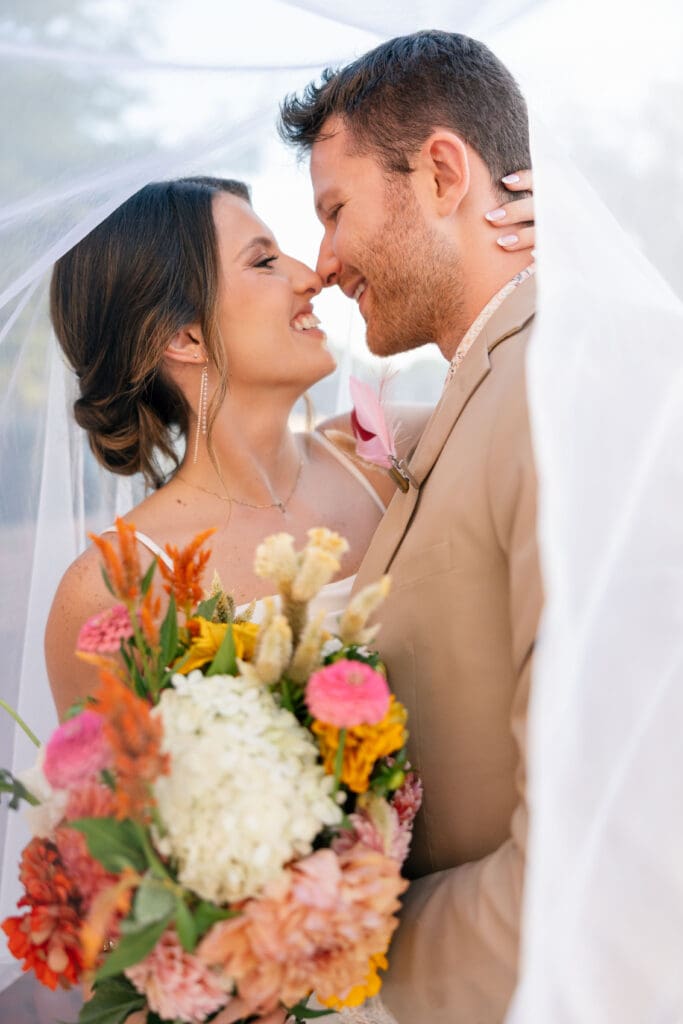
After all the planning, I hope your wedding day feels like something you can truly experience. Charleston offers a beautiful backdrop, but I believe the people and moments you share give your celebration its meaning. Maybe it’s the way your partner looks at you during the ceremony, the laughter during dinner, or a quiet moment together before the reception. Those are the memories I want you to have space for.
Let Your Wedding Reflect Your Relationship
I don’t think every wedding needs to follow the same traditions or timeline. Choose the details that feel meaningful to you, and make room for the people you love. Don’t feel pressured to include something simply because it’s expected. Your wedding should reflect your relationship, from the atmosphere you create to the moments you choose to celebrate.
Be Present for the Moments You Can’t Plan
Some of my favorite photographs are the ones that happen naturally. A spontaneous embrace, an unexpected laugh, or a small gesture between two people can tell an entire story. That’s why I value wedding photography that balances thoughtful direction with room for genuine connection.
I want you to feel comfortable being yourselves, without worrying about how every moment looks on camera. When you look back at your photographs, I hope you remember how everything felt.
Let’s Tell Your Charleston Wedding Story
If you’re planning a wedding in Charleston, I’d love to hear what you’re imagining. My approach to wedding photography is intentional, personal, and rooted in the moments that make your story yours. Whether you’re planning an intimate ceremony or a celebration surrounded by family and friends, your photographs should feel authentic to you.
I’d love to learn about your plans and what matters most to you. Reach out through my contact page to start the conversation.

Weddings are at the heart of my work, alongside engagements, proposals, couples, maternity, family, and lifestyle photography. Across every story, I’m interested in the same things: genuine connection, personal style, meaningful settings, and photographs that feel specific to the people in them—not an idea of what the occasion is supposed to look like.
Wedding & Lifestyle Photographer Charleston


Cinematic, nostalgic photography that preserves the full feeling of your celebration — from the beautifully planned details to the event's unscripted moments.
Relaxed, personality-filled sessions with gentle direction and plenty of room to move, connect, and simply be yourselves together.
Artful photographs centered on connection, personality, and the little in-between moments that make this season of your family worth remembering.
Additional Services:
Seniors

Photography has always been part of my story
meet jules Celio
From a young age, I was inspired by my grandfather, whose love of photography and travel shaped the way I learned to see the world. His home was filled with cameras and photographs from faraway places, each holding a story of its own. That early sense of curiosity still influences the way I photograph today—looking closely, noticing what might otherwise pass by, and preserving images that become more meaningful with time.
Now based in Charleston, I photograph weddings and meaningful seasons throughout the Lowcountry, including Downtown Charleston, Mount Pleasant, Daniel Island, Johns Island, Kiawah Island, and the surrounding coast. I also travel beyond Charleston for celebrations and stories that take me elsewhere, bringing that same curiosity and attention to every place and person I photograph.
